
Your toothbrush is one of the most important tools you have for maintaining a healthy smile. Brushing twice a day helps remove plaque, food particles, and bacteria from your teeth and gums, but even the best toothbrush doesn't last forever.
Over time, toothbrush bristles can become worn, frayed, and less effective at cleaning your teeth. So, how often should you change your toothbrush? Most dental professionals recommend replacing your toothbrush or electric toothbrush head every three to four months, or sooner if the bristles become worn or damaged.
Knowing when and how to replace your toothbrush can help you maintain an effective daily oral hygiene routine.
Why Do You Need to Replace Your Toothbrush?
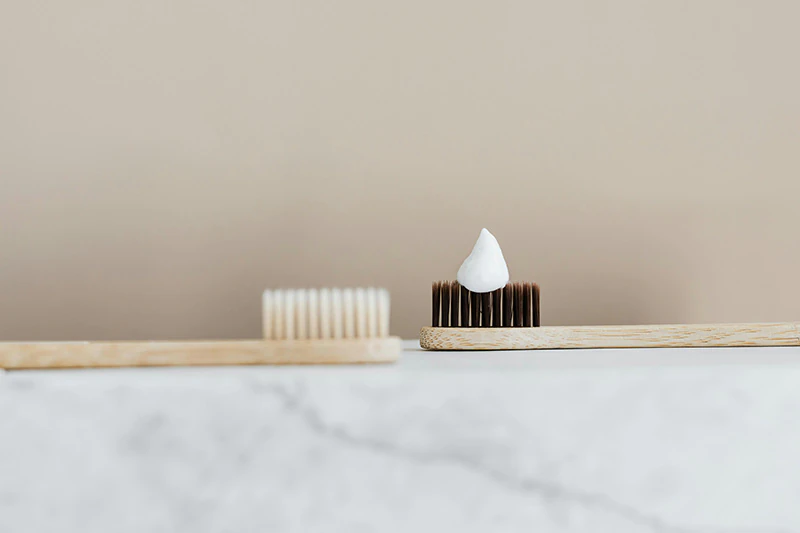 A new toothbrush has straight, relatively firm bristles that are designed to clean your teeth and along your gumline effectively. With regular use, those bristles gradually wear down.
Once bristles become bent, flattened, or frayed, they may not clean as effectively. You may also be more likely to brush with too much pressure if your toothbrush feels worn out.
Your toothbrush can also accumulate bacteria and other debris between uses, which is another reason proper cleaning and storage are important.
What Types of Toothbrushes Can You Use?
There are several types of toothbrushes available, and the right choice often comes down to your preferences and your dentist's recommendations.
Manual Toothbrushes
Manual toothbrushes are simple, affordable, and effective when used correctly. Look for a toothbrush with soft bristles, as harder bristles aren't generally necessary for removing plaque and can be more abrasive to your gums and tooth enamel.
A smaller or medium-sized head may also make it easier to reach all areas of your mouth.
Electric Toothbrushes
Electric toothbrushes use powered movements to help clean your teeth. Some models include features such as built-in timers, pressure sensors, or different brushing modes.
An electric toothbrush can be particularly helpful if you have difficulty using a manual toothbrush or tend to brush with too much pressure. Like a manual toothbrush, the brush head should be replaced regularly—generally every three to four months or when the bristles become worn.
Specialized Toothbrushes
Your dentist may recommend a specialized toothbrush depending on your individual needs. For example, some people may benefit from toothbrushes designed for sensitive teeth, orthodontic appliances, or other specific oral health concerns.
If you're unsure which toothbrush is right for you, ask your dental team for a recommendation.
How Can You Make Your Toothbrush Last?
Replacing your toothbrush on schedule doesn't mean you need to replace it prematurely. Taking care of your toothbrush between uses can help preserve the bristles and keep it ready for your next brushing session.
Rinse It After Brushing
After brushing, rinse your toothbrush thoroughly under running water to remove remaining toothpaste and debris. There's generally no need to use special disinfectants or cleaning solutions.
Let It Air-Dry
Store your toothbrush upright in an open area where it can dry between uses. Avoid routinely storing it in a closed container while it is still wet, as a damp environment can encourage microbial growth.
Keep Toothbrushes Separate
If multiple toothbrushes are stored in the same holder, try to keep the brush heads from touching one another. This helps minimize the transfer of bacteria and other debris between toothbrushes.
Don't Share Your Toothbrush
Your toothbrush is a personal hygiene item. Sharing one can transfer bacteria and other microorganisms between people, so each member of your household should have their own toothbrush.
What About Traveling With Your Toothbrush?
Traveling doesn't mean you have to sacrifice good oral hygiene. A few simple habits can help keep your toothbrush clean while you're away from home.
Use a ventilated toothbrush case or travel holder to protect your toothbrush from contact with other items in your luggage. If possible, allow your toothbrush to dry before placing it in a closed case.
When you arrive at your destination, take it out of the case and allow it to air-dry before using it again.
If your toothbrush becomes contaminated, damaged, or excessively worn while traveling, consider replacing it rather than continuing to use it.
How Do You Know When It's Time to Replace Your Toothbrush?
Three to four months is a useful general guideline, but you don't have to wait that long if your toothbrush is showing signs of wear.
It's time to replace your toothbrush or brush head if:
- The bristles are frayed, bent, or flattened
- The bristles no longer look like they did when the toothbrush was new
- The toothbrush has become damaged
- The brush has been used during an illness, and your dentist recommends replacing it
- You've had the same toothbrush for more than three to four months
Children may need new toothbrushes more frequently if they chew on their brush or quickly wear down the bristles.
A simple way to remember is to replace your toothbrush at the beginning of each new season. You can also set a reminder on your phone so you don't have to keep track.
Don't Forget the Rest of Your Oral Hygiene Routine
Replacing your toothbrush is just one part of keeping your smile healthy. For the best results, brush your teeth twice a day with fluoride toothpaste and clean between your teeth daily using floss or another interdental cleaning method recommended by your dentist.
Regular dental visits are also important. Professional cleanings and examinations allow your dental team to monitor your oral health and identify potential concerns that may not be noticeable at home.
Keep Your Smile Healthy With the Right Tools
Your toothbrush may be small, but it plays a major role in your daily oral hygiene routine. Choosing a soft-bristled toothbrush, rinsing it after use, allowing it to air-dry, and replacing it every three to four months can help you get the most from your brushing routine.
If you're unsure which toothbrush or oral hygiene products are best for your smile, talk with the team at Tulsa Premier Dentistry. Your dentist can recommend the right tools and techniques for your healthiest smile.