A toothache has a way of showing up at the worst possible time. Maybe it starts after dinner, wakes you in the middle of the night, or becomes noticeably worse just as the weekend begins. When your dental office is closed, it can be difficult to know whether you should wait for a regular appointment or seek help right away.
Not every toothache requires emergency treatment, but some dental problems should never be ignored. Severe pain, facial swelling, dental injuries, and signs of infection can require prompt attention to protect your health and prevent further damage.
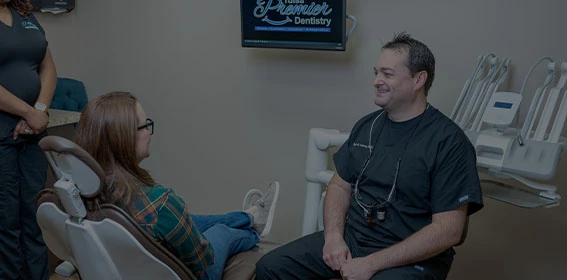
At Tulsa Premier Dentistry, emergency dental visits are available for patients experiencing urgent dental concerns. Here's how to recognize a potential emergency, what you can do while waiting for care, and when to seek help beyond the dental office.
What Counts as a Dental Emergency?
 A dental emergency generally involves significant pain, injury, swelling, infection, or damage that needs prompt evaluation. Some situations are time-sensitive because waiting could make treatment more complicated or reduce the chance of saving a tooth.
Contact a dentist promptly if you experience any of the following:
Severe or Persistent Tooth Pain
A toothache that is intense, keeps returning, or interferes with sleep may indicate a cavity, infection, cracked tooth, or inflammation inside the tooth. Pain that does not improve or becomes worse should be evaluated rather than managed indefinitely with pain relievers.
Swelling Around the Gums, Face, or Jaw
Swelling near a tooth may be a sign of an abscess or another infection. You may also notice tenderness, a bad taste, or a small bump on the gums.
Dental infections need professional evaluation. If swelling spreads toward the eye or neck, or you have difficulty breathing or swallowing, seek emergency medical care immediately.
A Knocked-Out Permanent Tooth
A permanent tooth that has been completely knocked out needs immediate attention. Acting quickly may improve the chance of saving it.
Pick up the tooth by the crown, not the root. If it is dirty, gently rinse it without scrubbing. If you can easily place it back into the socket, do so carefully. Otherwise, keep it moist in milk or an appropriate tooth-preservation solution and get to a dentist immediately. Do not reinsert a baby tooth.
A Broken or Cracked Tooth
A small chip without pain may not require the same urgency as a deep fracture, but a broken tooth should still be evaluated. A crack that causes significant pain, exposes the inner tooth, or makes biting difficult needs prompt attention.
Rinse your mouth with warm water, save any broken pieces if possible, and use a cold compress on the outside of your face if swelling develops.
Lost Fillings or Crowns
A lost filling or crown can expose sensitive tooth structure and leave the tooth vulnerable to further damage. Contact your dentist for guidance and an appointment. Avoid chewing on that side until the tooth has been evaluated.
When Can a Toothache Wait for a Regular Appointment?
Some dental concerns are uncomfortable but may not require immediate emergency treatment. For example, mild sensitivity to cold, a small chip without pain, or mild gum irritation may be appropriate for a scheduled appointment if symptoms remain stable.
However, even a problem that seems minor can worsen. Call your dental office for guidance if you are unsure. Be sure to mention whether the discomfort is increasing, whether there is swelling, and whether you have trouble eating or sleeping.
The goal is not to wait until pain becomes unbearable. Early evaluation can help identify the cause and prevent a manageable concern from becoming more serious.
What to Do for a Toothache Until You Can Be Seen
If you cannot get to a dentist immediately, a few temporary measures may help you stay more comfortable.
- Rinse with warm water: This can help clean the area and remove loose debris.
- Gently floss: If food is caught between teeth, carefully floss to remove it. Do not use sharp objects.
- Use a cold compress: Apply a cold pack wrapped in a towel to the outside of your cheek if you have swelling or discomfort.
- Choose softer foods: Avoid chewing on the painful side and stay away from very hot, cold, or hard foods if they trigger pain.
- Consider appropriate pain relief: An over-the-counter pain reliever may help when used according to its label and your healthcare provider's guidance.
Do not place aspirin directly on your tooth or gums, as this can irritate or burn the tissue. Home remedies may temporarily reduce discomfort, but they do not treat the underlying cause of a toothache.
When Should You Go to the Emergency Room?
Some symptoms require medical attention rather than waiting for a dental appointment. Seek emergency medical care if you experience:
- Difficulty breathing or swallowing
- Rapidly spreading swelling in the face, jaw, or neck
- Swelling that affects the area around your eye
- Severe facial trauma or a suspected broken jaw
- Uncontrolled bleeding
- Fever accompanied by significant facial swelling or signs of a spreading infection
If you are unsure whether your symptoms require hospital care, err on the side of caution.
How Tulsa Premier Dentistry Helps With Dental Emergencies
When you contact Tulsa Premier Dentistry about an urgent dental concern, the team will ask about your symptoms and help determine the next appropriate step. Same-day appointments are limited, but the office offers emergency visits to address problems such as severe tooth pain, broken teeth, swelling, lost restorations, and dental injuries.
During an emergency appointment, the priority is to evaluate the problem, relieve discomfort when possible, and stabilize the affected tooth or area. Digital imaging or other diagnostic tools may be used when appropriate. Your dentist at Tulsa Premier Dentistry can then explain the recommended treatment and any follow-up care you may need.
Don't Ignore a Toothache That Keeps You Up at Night
A toothache may start as a minor annoyance, but persistent pain, swelling, or dental damage can signal a problem that needs professional attention. Knowing the warning signs and acting promptly can help protect your tooth and your overall health.
If you're experiencing dental pain or have damaged a tooth, contact Tulsa Premier Dentistry to get the fast, compassionate emergency care you need.