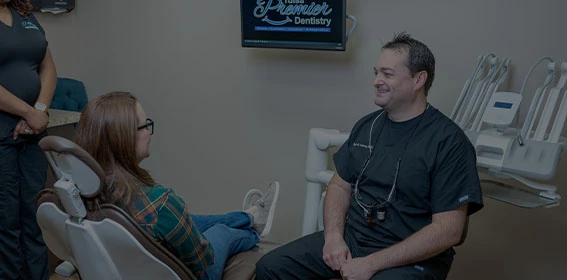
If the thought of going to the dentist makes you nervous, you're not alone. Dental anxiety can make it difficult to schedule routine appointments, let alone complete more involved dental treatment.
Fortunately, sedation dentistry can help many patients feel calmer and more comfortable during dental care. Sedation does not necessarily mean being completely asleep. In fact, there are several levels and types of dental sedation, ranging from minimal relaxation to deeper sedation.
At Tulsa Premier Dentistry in Tulsa, OK, patients can discuss their concerns and treatment needs with their dental team to learn more about sedation dentistry and whether it's right for their treatment plan. Understanding the different types of sedation dentistry can make it easier to have a conversation with your Tulsa dentist about your options.
What Is Sedation Dentistry?
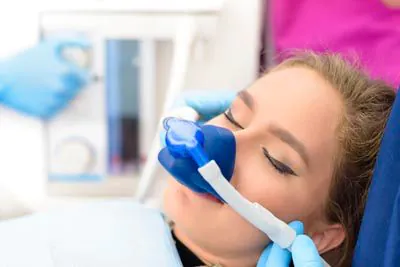 Sedation dentistry involves using medication or other techniques to help a patient relax during dental treatment. Depending on the type and level of sedation used, you may remain fully awake and able to communicate with your dental team, or you may become deeply relaxed and have limited awareness of the procedure.
Sedation dentistry is different from local anesthesia.
Local anesthesia numbs a specific area of your mouth so you do not feel pain during treatment.
Sedation primarily helps reduce anxiety, fear, and awareness.
Your dentist may use sedation along with local anesthesia so you can remain comfortable throughout your procedure.
Why Do Patients Choose Dental Sedation?
Sedation dentistry can offer a wide array of benefits. You may consider sedation if you:
- Experience dental anxiety or fear of visiting the dentist
- Have had a negative dental experience in the past
- Have a strong gag reflex
- Have difficulty sitting still for extended appointments
- Have a low tolerance for dental procedures
- Need extensive or lengthy dental treatment
- Have particularly sensitive teeth or gums
- Have difficulty becoming comfortable in the dental chair
Sedation can also make receiving dental care more manageable for patients who have avoided treatment because of anxiety.
What Are the Different Types of Sedation Dentistry?
Dental sedation can be provided at different levels depending on the patient's needs, procedure, health history, and the dentist's training and qualifications.
Common approaches include nitrous oxide, oral sedation, and IV sedation.
The medications and techniques available vary by dental practice and by state regulations.
Nitrous Oxide Sedation
Nitrous oxide is commonly known as "laughing gas."
It is inhaled through a small mask placed over the nose. The gas can help you feel relaxed and less anxious during treatment while generally allowing you to remain conscious and responsive.
One of the major benefits of laughing gas is that its effects wear off relatively quickly after the gas is stopped. Many patients can return to their normal activities soon afterward, although your dentist will give you specific instructions based on your treatment.
Nitrous oxide can be particularly useful for patients with mild to moderate dental anxiety or those who simply want help relaxing during an appointment.
Oral Sedation
Oral sedation from Tulsa Premier Dentistry involves taking a prescribed medication before or around the time of your dental appointment. Depending on the medication and dosage, oral sedation can range from mild relaxation to a deeper level of sedation.
You will generally remain conscious and able to respond, but you may feel very drowsy and have limited memory of parts of the appointment.
Because oral sedatives can affect your coordination and alertness, patients who receive this type of sedation generally need someone else to drive them to and from the appointment. To help you prepare for your treatment, your dentist will provide specific instructions on when to take the medication and what you should or should not eat or drink beforehand.
IV Sedation
IV sedation is delivered through a vein, allowing the medication to take effect quickly and allowing the sedation provider to adjust the level of sedation as needed. IV sedation from Tulsa Premier Dentistry can provide a deeper level of relaxation than nitrous oxide and is often used when a patient has significant anxiety or when a longer or more involved procedure is planned.
Patients may remain responsive, depending on the depth of sedation, but they may have little memory of the appointment afterward.
Because IV sedation requires additional monitoring and preparation, the dentist or sedation provider will review your medical history and provide detailed pre- and post-treatment instructions.
Is Sedation Dentistry the Same as Anesthesia?
One of the most common misconceptions about sedation dentistry is that every patient is completely unconscious.
Most dental sedation techniques do not involve general anesthesia.
With lighter forms of sedation, such as nitrous oxide, you remain awake and can communicate with your Tulsa Premier Dentistry team. With deeper sedation, you may become very drowsy and have limited awareness or memory of the procedure.
General anesthesia is different and involves a state of controlled unconsciousness. It is not routinely used for standard dental procedures and requires appropriate equipment, training, monitoring, and facilities.
Your dentist can explain exactly what level of consciousness to expect with the sedation method recommended for you.
What Are the Benefits of Sedation Dentistry?
The biggest benefit of sedation is that it can make dental care feel more manageable for patients who experience fear or anxiety.
Reduced Anxiety
Sedation can help take the edge off nervousness so you can relax during treatment.
Greater Comfort During Longer Appointments
Some dental procedures require patients to remain in the chair for an extended period. Sedation may make those appointments feel easier to tolerate.
Improved Dental Experiences
A more comfortable experience may help patients feel more confident about returning for future dental care.
Helping Patients Who Avoid the Dentist
For someone who has delayed treatment because of fear, sedation may make it possible to finally receive needed care.
Is Dental Sedation Safe?
Sedation is considered safe when the appropriate technique is selected for the patient and administered by appropriately trained dental professionals using proper monitoring.
At Tulsa Premier Dentistry, your dentist will review your medical history, medications, allergies, and other relevant health information before recommending sedation. Certain medical conditions or medications may affect which sedation options are appropriate. That's why our team will ask you to provide us with an accurate and complete medical history before sedation dentistry begins.
What Should I Expect Before Sedation Dentistry?
Before receiving sedation at our Tulsa dental practice, your dentist will discuss your treatment and explain what type of sedation is being considered. You may receive instructions about:
- Eating and drinking before your appointment
- Medications you normally take
- Transportation
- What to expect during the procedure
- How long you may feel the effects afterward
- When you can return to normal activities
If you are receiving oral or IV sedation, you will generally need a responsible adult to drive you home.
Follow your dentist's instructions carefully rather than relying on general advice about sedation.
What Happens After Dental Sedation?
Your recovery depends on the type and level of sedation you receive. Nitrous oxide typically wears off relatively quickly after the gas is discontinued.
Oral and IV sedation can have longer-lasting effects, including drowsiness and impaired coordination. You may need to rest for the remainder of the day and should follow your dentist's instructions about driving, work, exercise, and other activities. Make arrangements for transportation in advance when required.
Which Type of Sedation Is Best for Me?
The best type of sedation dentistry for your needs will depend on factors like:
- Your level of dental anxiety
- The procedure being performed
- How long treatment is expected to take
- Your medical history
- Medications you take
- Your previous experiences with sedation
- Your dentist's training and available sedation options
A patient with mild anxiety may be comfortable with nitrous oxide, while another patient with significant dental fear may benefit from discussing oral or IV sedation.
Talk to Tulsa Premier Dentistry About Dental Sedation
You shouldn't have to avoid necessary dental care because of dental anxiety. Our caring team in Tulsa is here to help!
At Tulsa Premier Dentistry, your dental team can discuss your concerns and help determine the options that could make your treatment more comfortable. Sedation can be incorporated into an individualized treatment plan when clinically appropriate.
If dental anxiety has kept you from scheduling an appointment, let your dentist know. The more our dental team understands about what makes you uncomfortable, the better we can help you develop a plan that allows you to receive the care you need with greater confidence. Contat our office today to learn more about what sedation dentistry can do for your smile!